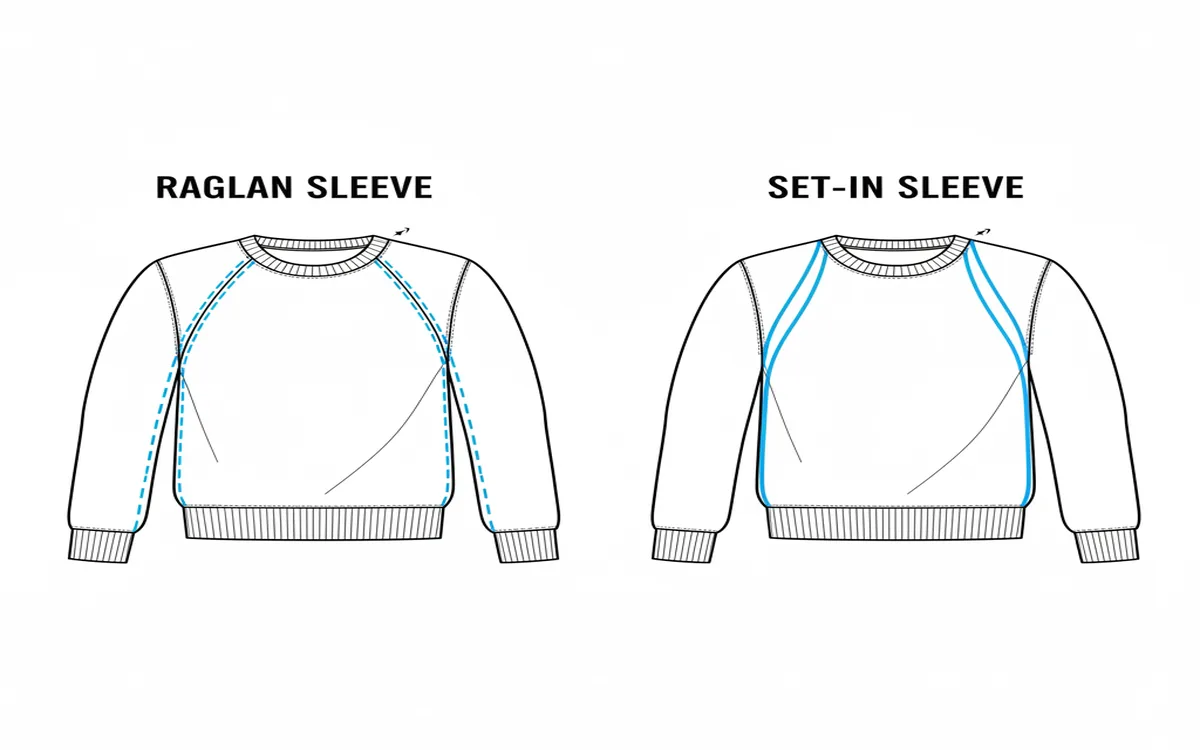
Raglan sleeves are knit with diagonal shaping lines running from the underarm to the neckline, while set-in sleeves use curved armholes and shaped sleeve caps for a more tailored, structured look. Top-down raglan construction was popularized in the 1980s through Elizabeth Zimmermann's seamless knitting innovations, and today both methods are widely supported by modern pattern tools like La Maille. Raglan construction is generally faster and more beginner-friendly, while set-in sleeves offer superior fit control and a polished silhouette. This comprehensive guide compares construction techniques, difficulty levels, fit outcomes, and aesthetics to help you choose the right sleeve type for your next sweater project.
What's the Difference?
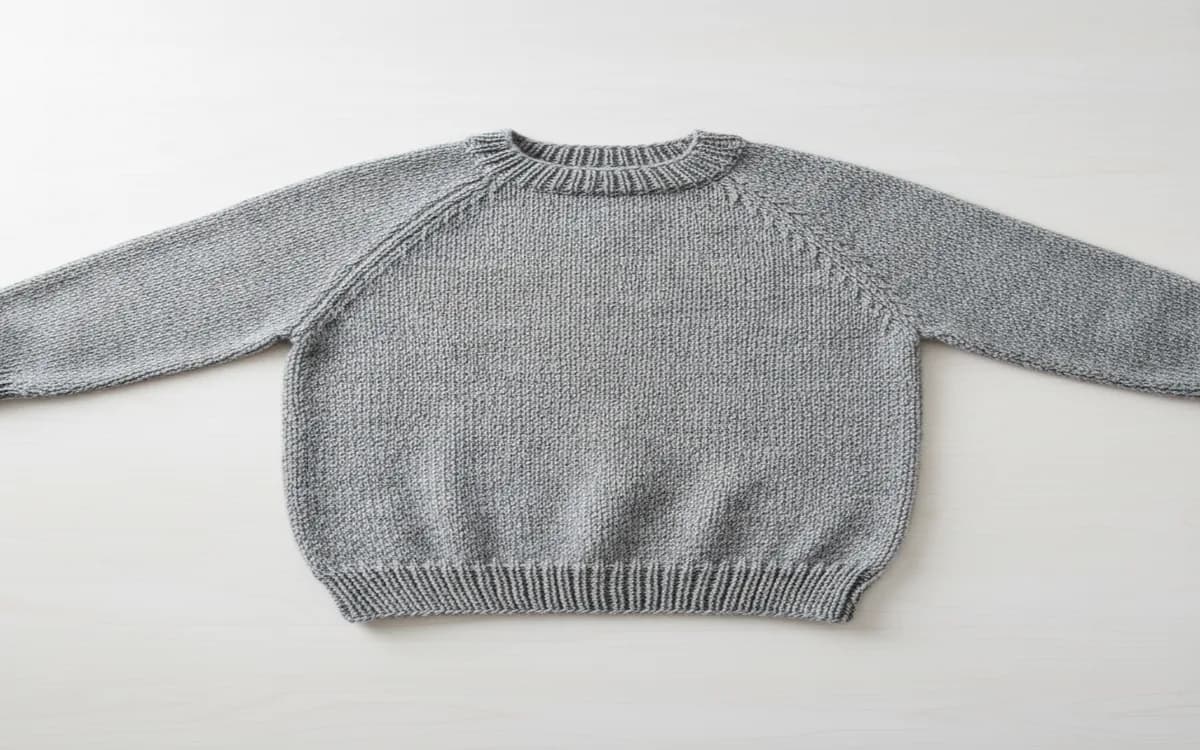
Raglan sleeves have diagonal seam lines that run from the underarm to the neckline. The sleeve and body are shaped together, usually knit seamlessly from the top down or bottom up. The four diagonal lines — two at the front and two at the back — define the entire yoke of the garment, creating a distinctive visual element that is as much a design feature as it is a construction method.
Set-in sleeves have a curved armhole and a shaped sleeve cap that fits snugly into it. The sleeve and body are typically knit separately and then seamed together with precision. The resulting shoulder line closely mirrors the natural curve of the human shoulder, which is why set-in sleeves have been the foundation of tailored garment construction for centuries.
These aren't just construction differences — they affect fit, appearance, ease of knitting, finishing time, and the overall knitting process itself. Understanding each method in depth allows you to make an intentional choice rather than defaulting to whatever a pattern happens to use.
Raglan Sleeves: Pros and Cons
Advantages
Easier construction: Raglan shaping is mathematically straightforward — you work regular decreases (or increases, depending on direction) along four diagonal lines. There is no complex sleeve cap shaping to calculate or execute, and the rhythm of the shaping quickly becomes intuitive.
Often seamless: Most raglan patterns are worked in one piece, either top-down or bottom-up. This means minimal or no seaming, which is a significant advantage for knitters who prefer to avoid finishing work or who are not yet confident with mattress stitch and set-in seaming.
Easy to try on: Top-down raglans can be tried on as you knit, making it straightforward to check fit in real time and adjust sleeve or body length before you've committed to a finished measurement. This is a major practical advantage, especially when knitting for yourself.
Good for beginners: The predictable, repetitive shaping makes raglans a popular first sweater choice. Many knitters complete their first full garment as a top-down raglan precisely because the construction is logical and forgiving.
Comfortable fit: The diagonal seam gives good range of motion in the shoulders. For active wear, sportswear-inspired designs, or simply an everyday sweater you want to move freely in, raglan construction is hard to beat.
Yardage flexibility: Because the yoke and sleeves are shaped continuously, it is easier to adjust proportions on the fly if you are running low on yarn — for example, making the sleeves slightly shorter without affecting the body.
Disadvantages
Diagonal lines may not suit everyone: The raglan lines draw the eye diagonally across the chest and shoulders, which can emphasize broad shoulders or a larger bust. For those who are conscious of these areas, the constant diagonal can feel unflattering.
Less defined shoulder point: Raglans do not have a clear shoulder point or seam, which gives them an inherently casual, relaxed appearance. This can look less structured than some knitters prefer, particularly for dressier garments.
Fit challenges for some body types: People with significantly different front and back measurements, or those with a pronounced difference between shoulder width and bust circumference, may find raglan fit tricky to customize. The shaping is worked uniformly across both front and back, which limits individualized adjustment.
Limited yoke design options: Because the diagonal lines are always present and divide the yoke into sections, your design options for colorwork or textured stitch patterns in the yoke area are somewhat constrained by the geometry of the raglan lines themselves.
Set-In Sleeves: Pros and Cons
Advantages
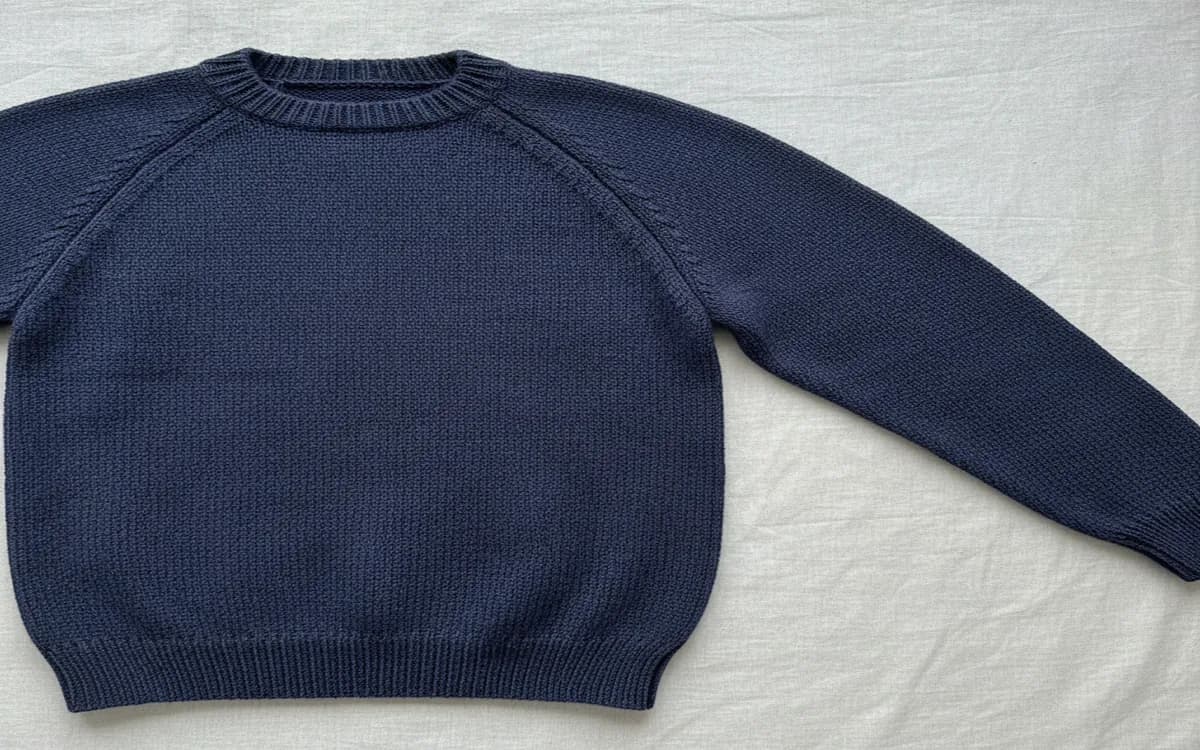
Tailored appearance: Set-in sleeves create a defined shoulder line that closely follows the natural contour of the shoulder. The result is a more polished, structured, and professionally finished look — the kind you see in classic knitwear and traditional Aran sweaters.
Flattering for many body types: The curved seam follows the natural shape of the shoulder, sitting right at the shoulder point. This creates clean horizontal lines across the chest, which is generally considered flattering across a wide range of body types. Broad shoulders in particular often look more balanced with a set-in construction.
Design flexibility: Without diagonal raglan lines dividing the yoke, you have significantly more freedom for yoke patterns, colorwork, or textured stitch work. A circular yoke with colorwork, for example, almost always uses set-in or modified set-in construction.
Better fit control: Because the pieces are knit separately, each can be adjusted individually and precisely. Wide shoulders? Adjust the back piece. Thick upper arms? Modify the sleeve width and cap height independently. This granular control is a major advantage for fitting complex body proportions.
A skill worth developing: Working set-in sleeves teaches you about garment shaping, ease calculations, and seaming — foundational skills that make you a more versatile and confident knitter overall.
Disadvantages
More complex shaping: The curved armhole and sleeve cap require careful attention to the pattern. Sleeve cap shaping typically involves a series of bind-offs followed by gradual decreases, and the total number of sleeve cap rows must be proportional to the armhole depth — usually within 1 to 2 rows — for the cap to sit smoothly.
Requires seaming: Set-in sleeves are almost always seamed. Mattress stitch creates an invisible seam on stockinette, but set-in seaming requires easing the curved sleeve cap into the armhole evenly, which takes practice and patience.
Cannot try on while knitting: With separate pieces, you cannot check overall fit until you have seamed everything together. Careful measurement at each stage is essential.
More finishing work: Seaming requires skill to look good, and poor seaming can undermine an otherwise beautifully knitted garment. Budget extra time for finishing when working set-in sleeves, especially for your first attempt.
How to Choose
Consider these factors when deciding:
Your Body Type
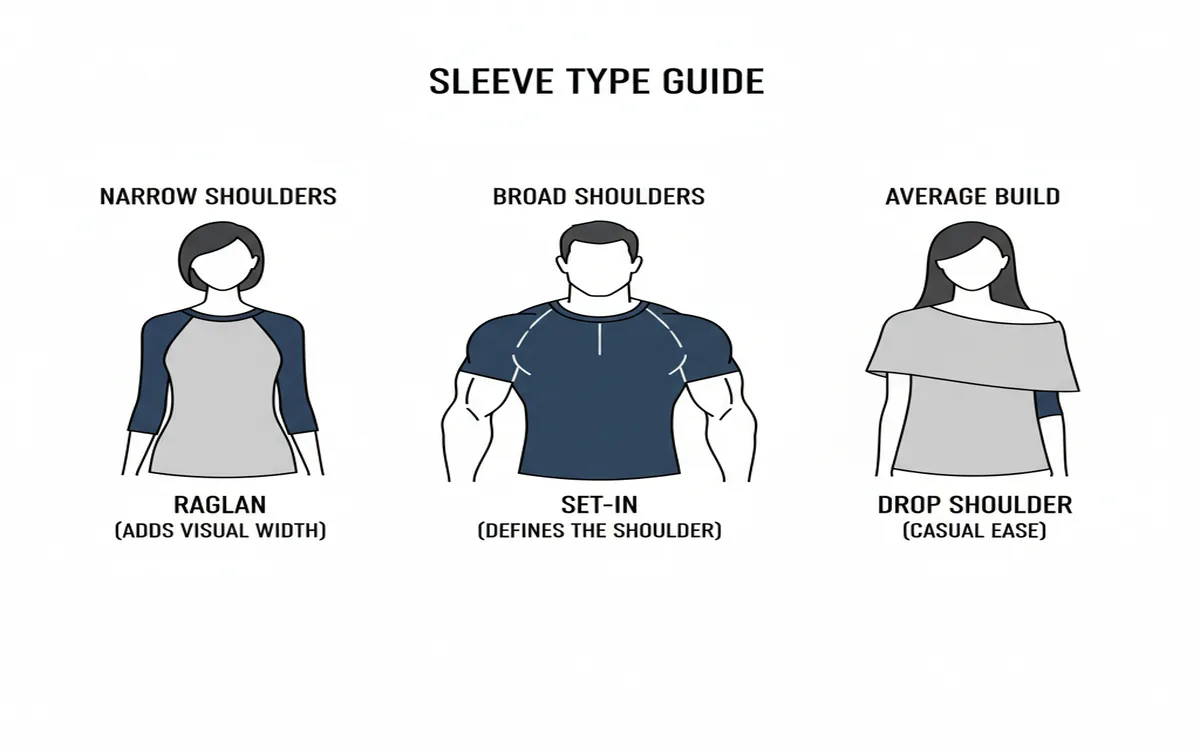
Raglan works well for: Narrow or average shoulders, athletic builds, people who prioritize comfort and freedom of movement, and those whose shoulder and bust measurements fall within typical proportions.
Set-in works well for: Broad shoulders (the defined shoulder point creates clean horizontal lines that can balance proportions beautifully), larger busts (no diagonal line drawing the eye upward and outward), and anyone who prefers a more tailored, fitted silhouette.
Your Knitting Preferences
Choose raglan if you: Prefer seamless knitting, want to try on the garment as you go, are knitting your first sweater, dislike seaming, or are working on a casual project where precision fitting is less critical.
Choose set-in if you: Don't mind seaming, appreciate tailored construction, want more design flexibility in the yoke, enjoy the puzzle of sleeve cap shaping, or are knitting a garment meant for a polished or dressier occasion.
The Garment Style
Raglan suits: Casual pullovers, sporty and outdoor-inspired styles, relaxed weekend sweaters, top-down seamless designs, and children's knitwear where ease of construction matters.
Set-in suits: Dressy cardigans, structured fitted pullovers, vintage-inspired styles, classic Aran sweaters, and garments where yoke colorwork or textured stitch patterns need clean, uninterrupted space.
A Third Option: Drop Shoulders
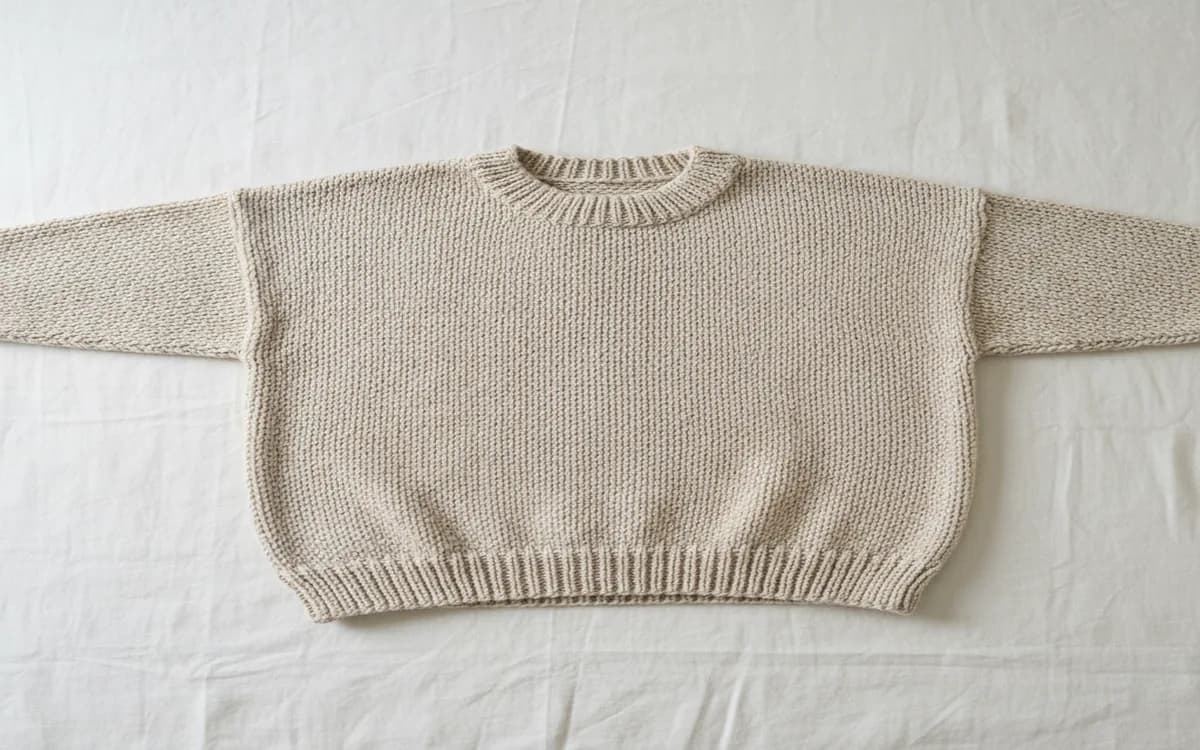
Worth mentioning: drop shoulder construction is even simpler than raglan. The body is knit as a straight tube or flat rectangle, and the sleeves attach without any armhole shaping whatsoever. There are no decreases at the underarm and no sleeve cap. This makes drop shoulder construction very fast and entirely beginner-accessible, but it creates a boxy, oversized silhouette with extra fabric pooling at the shoulder point. You will also see this construction called a drop sleeve, especially in commercial patterns and yarn shop listings: a drop sleeve and a drop shoulder describe exactly the same thing, a sleeve attached to an unshaped body edge that falls below the natural shoulder.
Drop shoulder sweaters have enjoyed a significant resurgence in recent years, particularly in chunky yarn weights and oversized silhouettes. They are ideal for textured stitch patterns like seed stitch or moss stitch across the entire body, since there are no shaping interruptions to navigate.
Choose drop shoulder for: Casual, oversized styles; deliberately boxy silhouettes; maximum simplicity; projects using very chunky yarn where sleeve cap shaping would be difficult to execute smoothly.
Avoid drop shoulder for: Fitted garments; tailored looks; those who prefer a defined shoulder line; lighter-weight yarns where the extra fabric at the shoulder can look sloppy rather than intentional.
Construction Methods
Understanding the specific construction methods within each category helps you match your preferred knitting style to the right approach.
Raglan Construction Methods
Top-down seamless: Cast on at the neckline — typically 80 to 120 stitches for an adult sweater depending on gauge — then increase along four raglan lines as you work downward. At the underarm, you separate the body stitches from the sleeve stitches, place sleeve stitches on hold (usually 20 to 40 percent of total sleeve stitches at that point), and continue knitting each section independently. This is by far the most popular modern method for raglan sweaters.
Bottom-up seamless: Knit the body and sleeves separately to the underarm, then join all three pieces onto one needle and decrease along the four raglan lines up to the neckline. This method gives slightly more control over the fit of the lower body before committing to the yoke.
Bottom-up seamed: Knit the individual pieces flat with raglan shaping built into the side edges, then seam everything together. Less common than seamless approaches, but useful when working a particularly complex stitch pattern that is easier to execute flat than in the round.
Set-In Sleeve Construction Methods
Pieces worked flat: The traditional method. Knit the front, back, and sleeves separately, each with appropriate armhole and sleeve cap shaping, then seam together using mattress stitch and set-in sleeve seaming. This is how most vintage patterns and classic knitwear books present set-in sleeve construction.
Body in the round with set-in finishing: Knit the body circularly to the underarm, bind off underarm stitches, then work the front and back flat for armhole shaping. Sleeves are worked separately and seamed in. A useful hybrid that reduces side seaming while preserving set-in structure.
Contiguous set-in: An advanced technique developed in the knitting community that replicates the look of set-in sleeves while working seamlessly. It uses short rows to shape the sleeve cap and shoulder simultaneously. The result is a set-in appearance without traditional seaming — an excellent option for experienced knitters who love seamless construction but want the tailored look of a set-in shoulder.
Which Is "Better"?
Neither. It is entirely about what suits your project, your body, and your working preferences. There is no objectively superior construction, and experienced knitters disagree enthusiastically on which they prefer.
Some highly skilled knitters work exclusively in top-down raglan construction precisely because of the fit flexibility and seamless finish. Others consider a well-executed set-in sleeve to be the gold standard of knitwear and wouldn't give up that tailored shoulder line for anything.
If you are genuinely unsure, the best approach is to try both on different projects. Many knitters develop a strong preference over time but are glad to have both methods in their toolkit. A 30-stitch gauge swatch takes minutes; a sweater takes weeks — understanding your construction before you cast on saves significant time and frustration.
Using AI Pattern Generation
When generating patterns from photos using tools like La Maille, the resulting pattern is based on the construction visible in your source image. If you photograph a raglan sweater, the generated pattern will include raglan shaping. For a set-in sleeve sweater, you will receive full set-in sleeve shaping including armhole curves and sleeve cap calculations.
Not sure which construction your inspiration sweater uses? Look for these visual cues:
- Raglan: Diagonal seam lines running from the underarm to the neck, dividing the yoke into four sections
- Set-in: A curved seam that follows the shoulder contour and drops cleanly into the armhole, creating a defined shoulder point
- Drop shoulder: No shaped armhole visible; the sleeve appears to simply attach to a straight body edge, often with the sleeve seam falling several centimeters down the upper arm
Identifying the construction type in your inspiration image first ensures that the generated pattern matches the silhouette you are aiming for.
Frequently Asked Questions
What's the difference between raglan and set-in sleeves? Raglan has diagonal seam lines running from the underarm to the neckline, with the body and sleeves shaped together in one continuous piece. Set-in sleeves have curved armholes and shaped sleeve caps; the pieces are typically knit separately and seamed together. The visual result is also different: raglan creates a casual, relaxed shoulder, while set-in creates a defined, tailored shoulder point.
Which sleeve type is easier to knit? Raglan is generally easier for most knitters. It requires only regular increases or decreases along four diagonal lines, and it is most commonly worked seamlessly in the round. Set-in sleeves require curved armhole shaping, a proportionally calculated sleeve cap, and careful seaming — all of which demand more experience and attention to detail.
Are raglan sleeves flattering for everyone? Not universally. Raglan's diagonal lines draw the eye from the underarm toward the neck, which can emphasize broad shoulders or a larger bust. For those who prefer to minimize these areas visually, set-in sleeves offer cleaner horizontal lines and a more defined shoulder that many find more flattering. That said, individual results vary, and personal comfort with a garment matters as much as abstract rules about body type.
Can I convert a raglan pattern to set-in sleeves? Technically yes, but it involves substantial recalculation. All shaping changes completely — you need to calculate armhole depth, armhole curve bind-offs, sleeve cap height, and sleeve cap shaping rows from scratch. The ease allowances also shift. It is generally more practical to find a pattern already written in your preferred construction than to convert between the two.
Which construction is more comfortable to wear? Both can be extremely comfortable. Raglan allows slightly more freedom of movement at the shoulder due to the diagonal seam orientation, which is one reason athletic and outdoor-inspired sweaters so often use it. Set-in can feel more structured and fitted, which some wearers prefer for a dressier garment. Ultimately, comfort depends more on ease allowance, yarn choice, and fit accuracy than on construction type alone.
What is the best sleeve type for a first sweater? Top-down raglan is widely considered the best choice for a first sweater. The construction is logical and easy to follow, you can try the sweater on as you go, there is minimal seaming, and the shaping is repetitive enough to become intuitive quickly. Many beginner-friendly sweater patterns are written specifically as top-down raglans for exactly these reasons.
Does sleeve construction affect how much yarn I need? The total yardage for a sweater of the same size is roughly similar regardless of construction. However, set-in sleeves involve more individual pieces, so you may need to manage yarn quantities more carefully to ensure each piece has enough. Top-down raglans allow you to adjust length on the fly if you are running low, which gives slightly more flexibility in practice.
Ready to knit your next sweater? Try La Maille's knitting pattern generator — upload a photo of any sweater style and get a custom pattern with the right construction for that design.